The Ministry of Health St. Kitts & Nevis said that although the Ebola outbreak affecting the Democratic Republic of Congo (DRC) and Uganda was declared a Public Health Emergency of International Concern (PHEIC) on May 17th, the current risk to the Federation “remains low”.
However, the Ministry continues to closely monitor the situation and is proactively implementing measures to protect public health and safety. Over 500 suspected cases have been reported and a total of 131 deaths are associated with the current outbreak, as of May 19th.
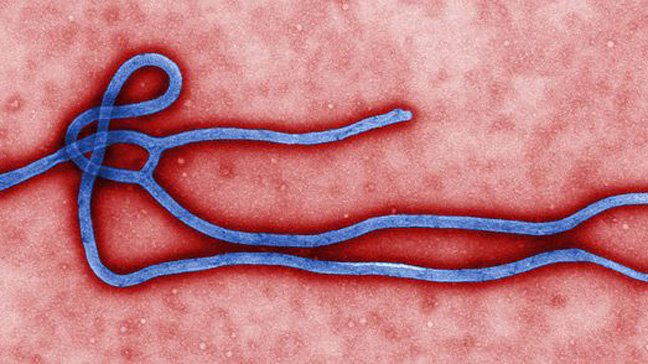
The Ebola Virus Disease (EVD) is a highly infectious and often fatal illness caused by viruses belonging to the genus Orthoebolavirus. Individuals exposed to the Ebola virus may develop symptoms within 2 to 21 days following exposure. Common symptoms include fever, severe headache, sore throat, muscle pain, fatigue, vomiting, diarrhea, abdominal pain, and unexplained internal or external bleeding.
The Ebola virus is transmitted through direct contact with the blood, bodily fluids, or secretions of an infected person, including vomit and semen. MOH SKN said “given the mode of transmission and the current epidemiological situation, the Caribbean Public Health Agency has assessed the risk of the current Ebola outbreak to the Caribbean, including the Federation of St. Kitts and Nevis, as low.”