
Not Just Water: Drought to impact Electricity Bills, Trade and Transport

Post Credit: VON Radio

Officials are urging residents to conserve water as St. Kitts and Nevis faces drought conditions expected to persist through the 2026 hurricane season. Senior Meteorological Officer, Mr. Elmo Burke shared these statistics during a press conference on June 12th:


Mr. Elmo Burke. On Nevis, rainfall totals at Vance W. Amory International Airport reached 10.3 inches for the year to date, approximately five inches below the long-term average.


Meteorologists attribute the dry conditions to a strong El Niño event and the presence of Saharan dust, both of which suppress rainfall across the Caribbean. A drought warning was issued in May and is expected to remain in effect through November.


Residents are being encouraged to conserve water by repairing leaks, reporting damaged pipelines, avoiding lawn watering, using buckets instead of hoses to wash vehicles, and reusing household water where possible. Persons should also protect themselves from heat-related illnesses and excessive sun exposure.


Meantime – Director at the Nevis Disaster Management Department (NDMD), Mr. Brian Dyer, warned that the prolonged drought conditions are expected to have wide-ranging economic and infrastructural impacts across St. Kitts and Nevis as well, extending beyond water scarcity.


NEVLEC reported a 7.6 per cent increase in electricity demand between April and May. Hotter conditions will likely drive further increases in fuel consumption and household electricity bills as residents rely more heavily on cooling equipment such as air conditioning units. Dyer expounded on other impacts:


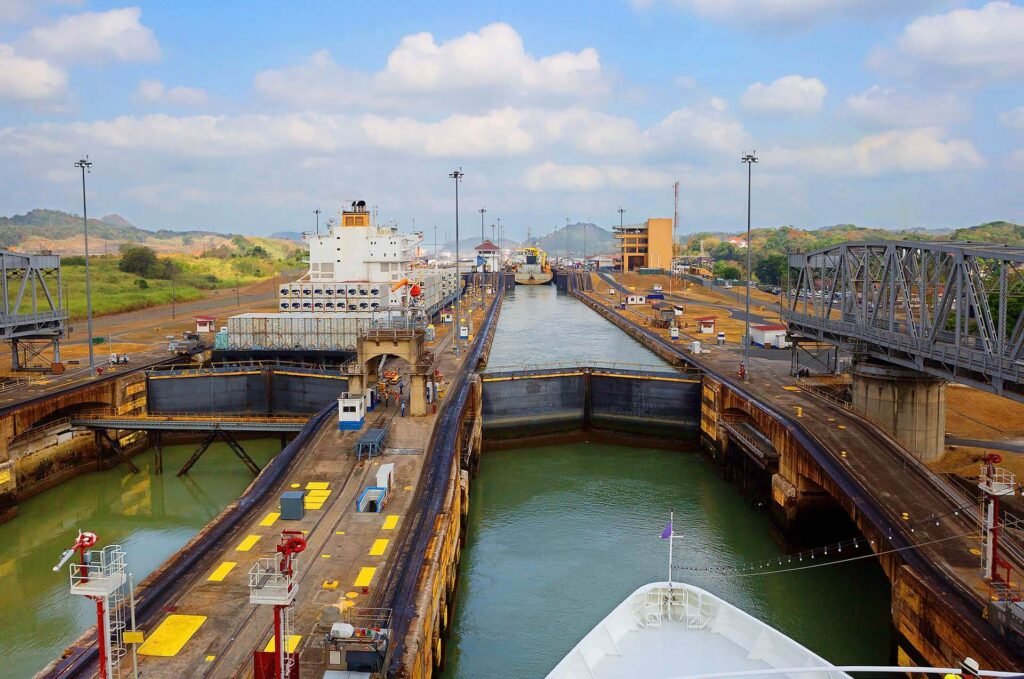
Shipping costs will also be affected:


Officials also warn of knock-on effects in tourism, agriculture, and public health, including reduced visitor comfort, crop stress, and increased respiratory and heat-related illnesses.


Authorities are urging continued conservation and preparedness as drought conditions persist.